
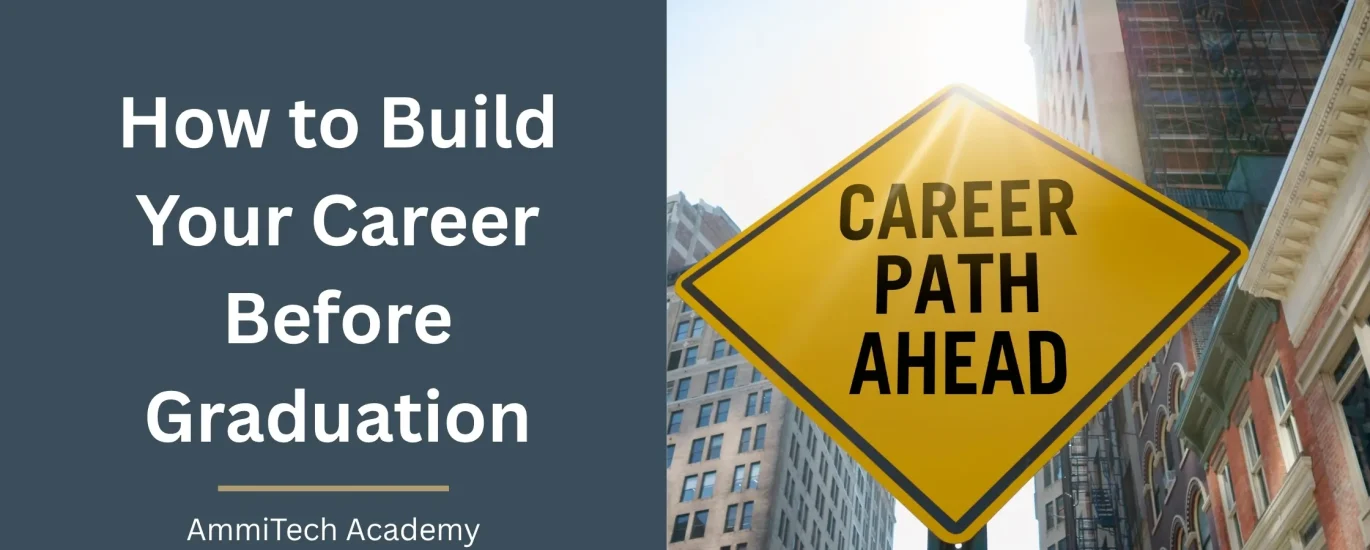
Graduation should not be the beginning of your career. It should be the point where your career already has momentum.
Many students wait until their final semester to think seriously about employment, networking, portfolios, and practical experience. By then, they may have a degree but little evidence of what they can actually do.
The better approach is to start early.
While you’re still in school, use your time to develop practical skills alongside academic knowledge. Learn tools used in your industry, work on personal projects, volunteer, take internships seriously, freelance when possible, and create a portfolio that demonstrates your abilities.
Don’t underestimate the power of networking either. Connect with lecturers, professionals, entrepreneurs, alumni, classmates, and people working in your field. You don’t have to ask everyone for a job. Build genuine relationships, learn from people, contribute where you can, and become known for your work.
Your online presence can also become part of your career. Share what you’re learning, showcase your projects, document your progress, and demonstrate your expertise. You don’t need to pretend to be an expert. You can build your reputation while you’re still learning.
Most importantly, look for opportunities to solve real problems.
A student who has completed several practical projects, gained experience, built relationships, developed useful skills, and created a portfolio can enter the job market with much more confidence than someone who only has academic qualifications.
You don’t need to have your entire career figured out before graduation.
You simply need to start building.
Don’t wait for graduation to become employable. Use your years in school to become capable, experienced, connected, and visible.
When graduation finally arrives, you shouldn’t be asking, “Where do I start?”
You should be saying, “I’m ready for the next level.”

A digital skills trainer, and creative professional who enjoys learning, creating, and sharing what I discover. On this blog, I share my thoughts, experiences, and practical lessons on technology, creativity, digital skills, career growth, and everyday life.