
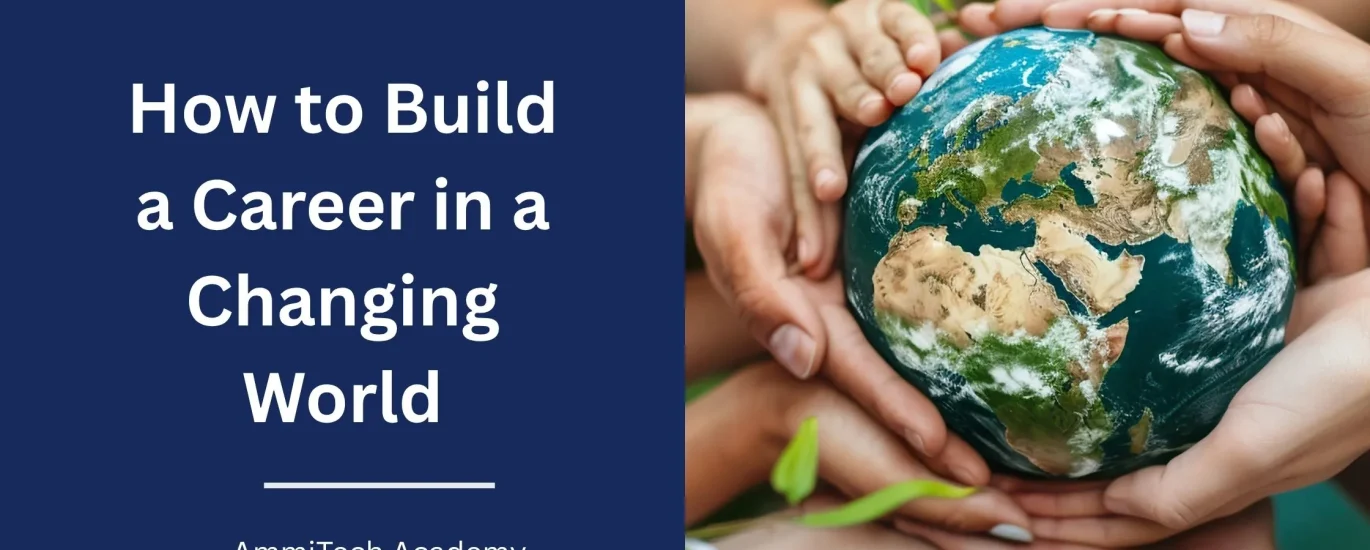
The career you start today may not exist in exactly the same form ten years from now.
Technology is changing jobs.
AI is changing workflows.
Companies are changing how they hire.
Industries are creating new roles while others are being redesigned.
So how do you build a career that can survive change?
1. Build skills, not just a job title.
Your ability to solve problems, communicate, lead, sell, create, teach, analyze, or work with technology can follow you into different roles.
2. Keep learning.
Your certificate is not the end of your education. Keep developing skills that matter in your industry.
3. Understand technology.
You don’t need to become a technology expert. But you should understand how new tools are affecting your profession.
4. Develop transferable skills.
Communication, problem-solving, critical thinking, teamwork, leadership, creativity, and adaptability remain useful across many careers.
5. Build evidence.
Don’t only say what you can do. Build projects, solve problems, create a portfolio, document results, and collect achievements.
6. Build relationships.
Talk to professionals. Learn from mentors. Stay connected to people in your industry. Opportunities often become visible through relationships.
7. Be willing to change direction.
Changing careers, departments, industries, or even your original plan doesn’t mean you’ve failed.
8. Stop waiting for certainty.
You cannot predict every change coming in the next decade. You can prepare yourself to respond when change arrives.
The goal isn’t to find a career that will never change.
The goal is to become someone who can remain valuable when things change.
Keep learning.
Keep adapting.
Keep building.
That’s how you prepare for a changing world.
Save this if you’re thinking seriously about your career.
#CareerDevelopment #FutureOfWork #ProfessionalGrowth

A digital skills trainer, and creative professional who enjoys learning, creating, and sharing what I discover. On this blog, I share my thoughts, experiences, and practical lessons on technology, creativity, digital skills, career growth, and everyday life.